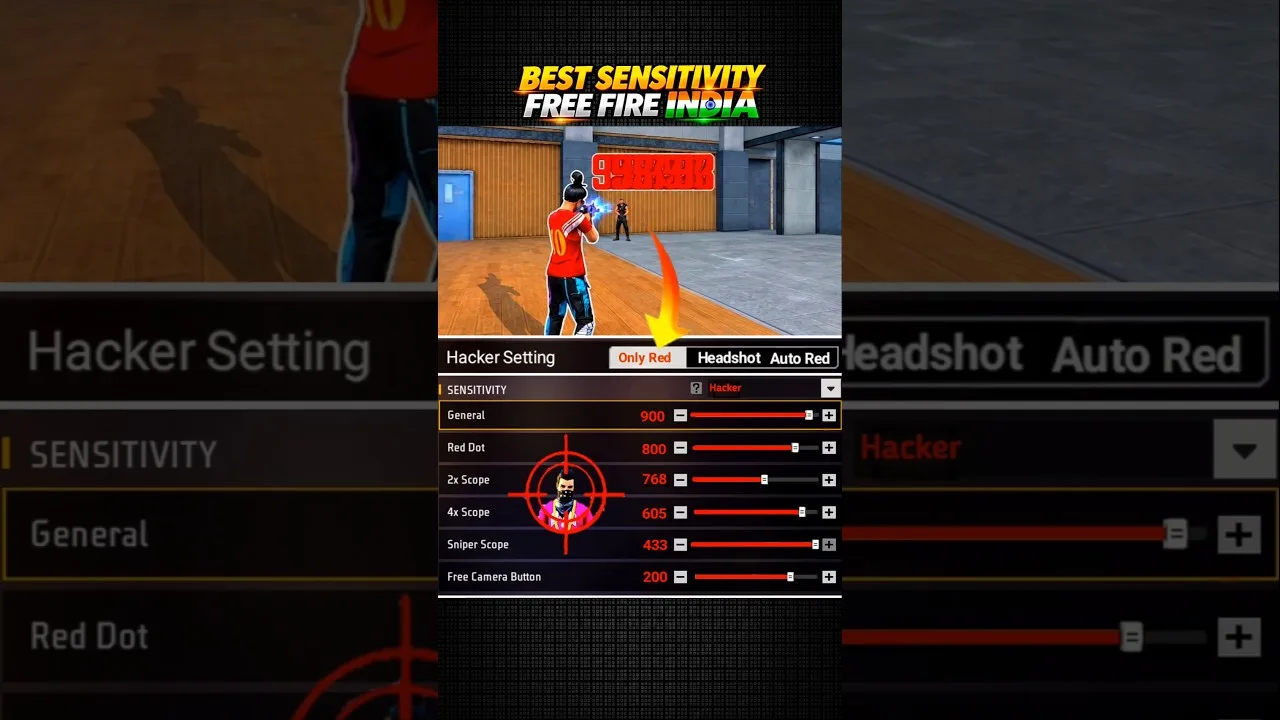
Aim seldom fails for want of talent. It fails by taxation — a handful of plausible habits, each levying its quiet percentage on every engagement until the player indicts the numbers, or more unjustly, the hands. This checklist itemises the five taxes most frequently collected in X3 Panel aim mistakes territory, explains the mechanism of each levy, and attaches its exemption.
Audit yourself without sentimentality. The census suggests most players are currently paying at least two.
Tax One: Imported Endpoints
A strong player's figures are the residue of their display, their DPI, their grip, and their ten thousand hours. Transplanted entire onto your hardware, they describe a materially different configuration — the familiar 'fast but faintly wrong' sensation is that mismatch presenting its credentials.
Import architecture instead: the spacing between their sliders, the gradient of their ladder. Structure is portable between devices; endpoints hold validity at a single address. Then establish your level by the method in our beginners' guide.
Tax Two: The Panic Change
A bad match concludes and five sliders move. The gesture performs command and functions as amnesia: with every variable displaced, no outcome can be attributed to anything, nothing is learned, and muscle memory — whose first requirement is a stable world — is issued a fresh world daily.
The exemption is procedural rather than motivational: one slider, small step, complete session, verdict. The routine that renders patience the easiest available behaviour is our training testing guide.
Tax Three: Extremes Purchased With Feeling
Maximum values promise velocity and deliver overshoot; minimum values promise serenity and deliver lateness. Extremes are characteristically misdiagnoses in uniform — frame instability, a modest display, ordinary impatience — treated at entirely the wrong organ.
Beckoned by an extreme, examine the device before interrogating the sliders. Our low-end phone guide exists because hardware impersonates sensitivity pathology as a profession.
Tax Four: Decoration Before Architecture
An hour burnishing the 4x while general sensitivity — the substrate beneath every drag, turn, and close-quarters emergency — sits unmeasured is decoration preceding architecture. The ladder's sequence is structural engineering: general, red dot, scopes, each established relative to the last.
The sequence and its reasoning occupy our sliders explained guide. Observe the order and scope work turns swift, because it refines rather than compensates.
Tax Five: Success, Unrecorded
The silent tax, collected once and in full: the configuration finally sings, and no record of it exists anywhere in the world. One reset, one update, one borrowed afternoon — and the finest setup you ever owned retires into anecdote.
The exemption costs six numbers, a date, and a device name. Lodge them permanently through the routine in our backup and restore guide.
Final Thoughts
Imported endpoints, panic changes, extremes, inverted order, phantom success — five taxes, five clerical exemptions, none of them talent. Repair the process and observe the numbers follow it, as they were always going to.