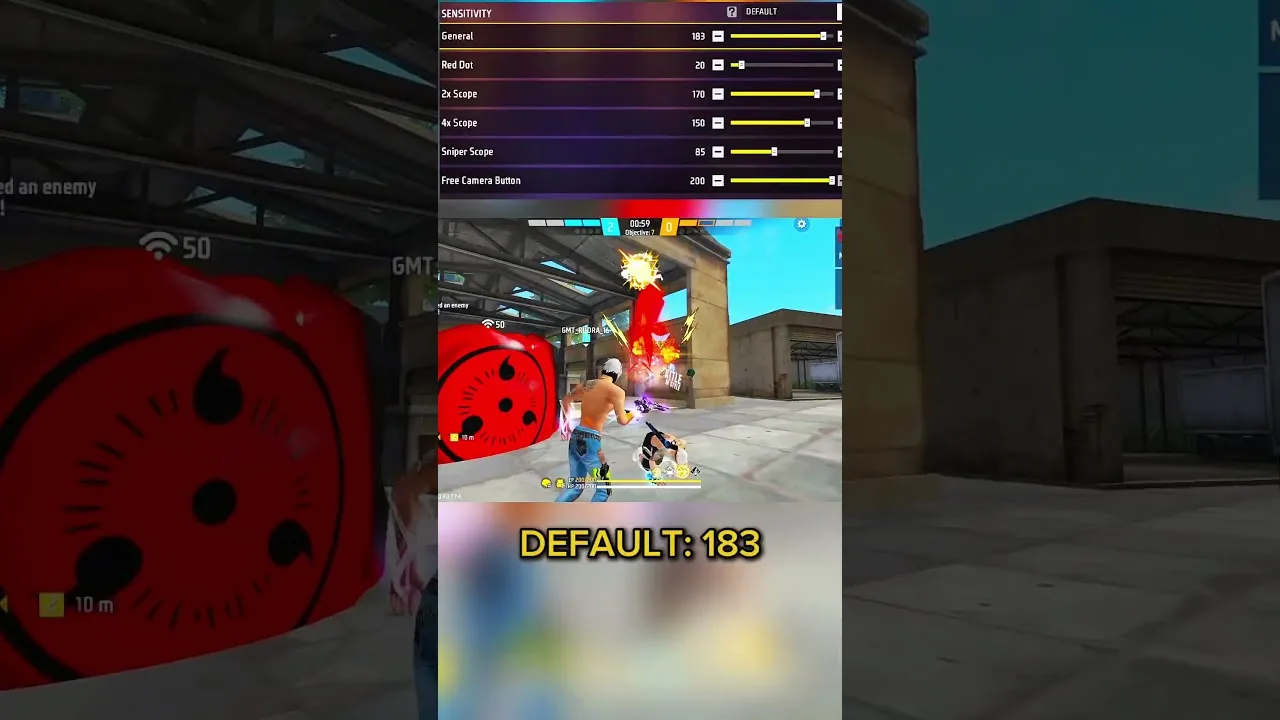
Two philosophies organise sensitivity work: tune wholly by hand within the game's own menus, or maintain setups inside a utility built for custody and adjustment, as in X3 Panel vs manual practice. The debate is normally conducted as allegiance. It deserves to be conducted as logistics, and this comparison obliges — examining what each approach genuinely optimises, from daily process to disaster recovery.
The values themselves hold dual citizenship and are identical in both worlds. Everything that actually differs resides in the handling around them.
Manual Tuning, Given Its Due
Manual work is admirably unmediated: the game's sliders, your hands, the training ground, nothing installed between intention and effect. A single-device player with a maintained notebook concedes nothing by choosing it — the method in our beginners' guide runs by hand without apology or adaptation.
The exposure is archival. A configuration resident in one install can be annulled by a reset, a reinstall, or another person's idle curiosity — and 'somewhere around ninety, I believe' is not a restoration procedure recognised by any court.
What the Panel Contributes
Structure in four flavours: named profiles assigned to devices and purposes; values preserved beyond the lifespan of any single install; an organised surface for adjustment; and visibility that disciplines process itself — recorded numbers standing before you are a permanent argument against the five-slider panic change.
Recovery is the contribution players underrate until the afternoon they require it, which is why our backup and restore guide treats custody of the setup as a first-class subject rather than housekeeping.
Limits Both Approaches Share
No container — panel, notebook, or prodigious memory — can select your values, because correctness is computed from your screen, your DPI, your grip, and your habits, none of which any third party has measured. Universal perfect configurations are marketing in whichever direction they are sold.
Neither does any container practise in your place. The drills in our training testing guide are the engine under both philosophies; organisation keeps the engine's logbook, it does not turn the engine over.
A Decision Rule That Respects the Reader
One device, disciplined notes, genuine pleasure in the process itself: manual suffices, and simplicity is a virtue rather than a compromise. Multiple devices or setups, shared hardware, or one previous evaporation in your history: the panel's structure begins paying rent within the first week.
Observe the mature end-state, which is hybrid: panel for custody and profiles, hands for judgement. Deploying each tool on the half of the work it is genuinely good at is not indecision. It is craftsmanship.
Final Thoughts
The genuine contest was never panel against manual. It is organised against improvised. Select the vessel that keeps your values recorded, your changes singular, and your tests honest — the vessel is preference; the discipline is the improvement itself.